
Dozza Imolese
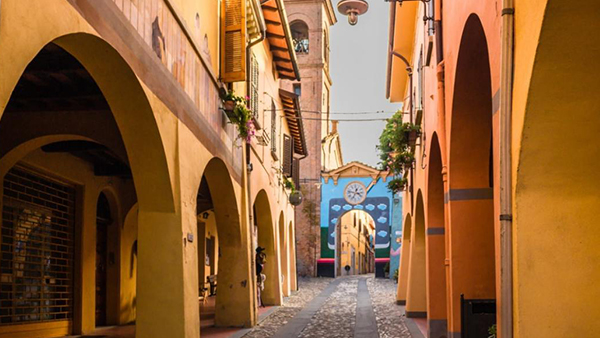
The earliest documented mention of the name Dozza dates back to 1126. Castrum Dutie is believed to derive from the Latin medieval term ‘doccia’, indicating the presence of a conduit in the area to channel water into a tank or cistern for the benefit of the population. The close symbiosis between the imposing fortress and the ancient residential settlement below, which follows the layout of the walls, communicates that harmony between nature and human intervention that can only be felt in places proud of their past.
The Excellence of Dozza Imolese

Albana DOCG
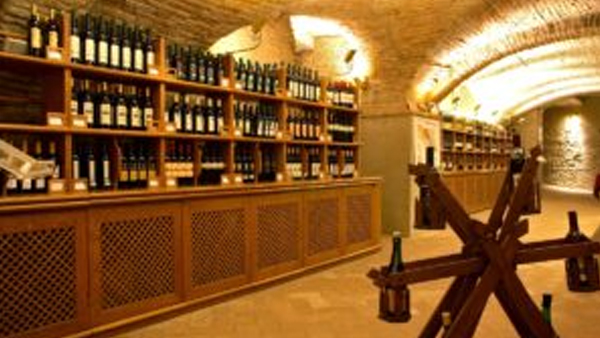
Albana is the grape variety with many years of history that represents the typical white grape of the hills of Romagna, and in particular of the Dozza area, where there are truly excellent wine productions. It is a grape variety that can take on different identities because of its production potential. The eclectic vein of Albana is underscored by the different declinations: Secco, Amabile, Dolce, Passito, Passito Riserva, Spumante dolce. Albana di Romagna was the first white wine in Italy to be recognized with the Denominazione di Origine Controllata e Garantita (DOCG) in 1987.

The Sangiovese DOCG
The Sangiovese grape variety is the most widely cultivated in Italy, its origins are still partly mysterious and debated; certainly present under this name in Romagna since the 17th century, a notarial deed attests to its cultivation in Romagna territory as early as 1672. Varietal with a close and varied connection to the territory that has made it the basis for Romagna DOC wine. Sangiovese is, in fact, the most cultivated grape variety and symbol of the hills of Romagna. This grape lends itself to different types of winemaking that can result in wines ranging from rosé to important structured reds, even suitable for long aging.

Fantastika
In September of even-numbered years, the illustration biennial, a unique art event on the national scene, is held. The event, established in 2014, promotes art in the fantasy genre, including the publishing and film works from which it draws inspiration. The initiative invests the entire village from the Fortress to the Municipal Theater, Tolkienian Studies Center and village squares, with exhibitions, installations, workshops, discussions, shows and live performances.

The City of the Painted Wall
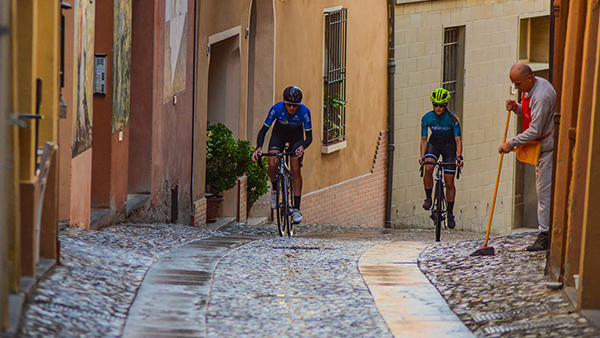
The Painted Wall Biennial, a unique September event of painting on walls that originated in the 1960s, has given Dozza an open-air gallery that is always available to visit, with no opening hours or entrance fees. The gallery features frescos and reliefs on the walls of the houses as a permanent record of the artists invited every two years. The Painted Wall has materially characterized the facades of the houses in the old town, the wall paintings are in close symbiosis with the history, atmosphere, and scents of the ancient village and the surrounding gentle hillside landscape. On the walls of this village, around windows, doorways, and stores ring or tune the hues of paintings. Dozza has become a pictorial anthology, a true open-air gallery of modern art, of singular interest, not only because it covers a semi-secular time span, but also because the paintings are closely and intimately related to the place for which they were conceived.


