Imola

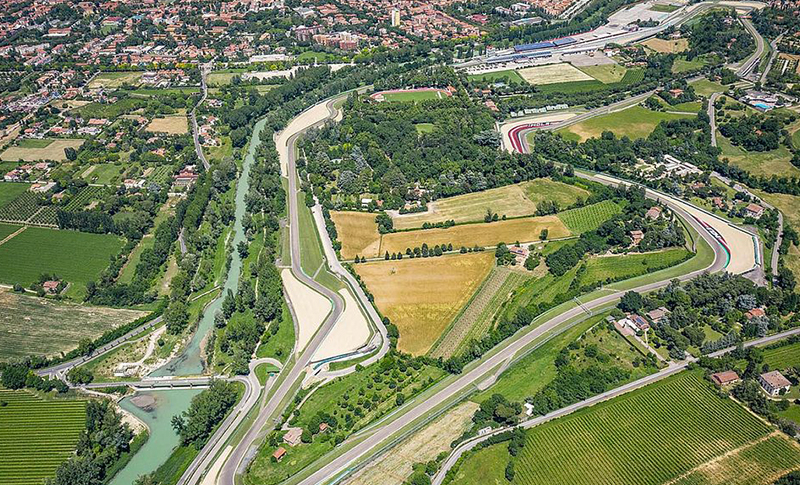
Situated on the banks of the Santerno River, where the Tuscan-Romagna Apennines meet the Po Valley, Imola enjoys a privileged location, 30 km from Bologna and 60 km from the sunny beaches of the Romagna Riviera.

Known worldwide for its historic racetrack, Imola is the ideal place to spend a few days between culture and sports without neglecting a few stops dedicated to the palate.

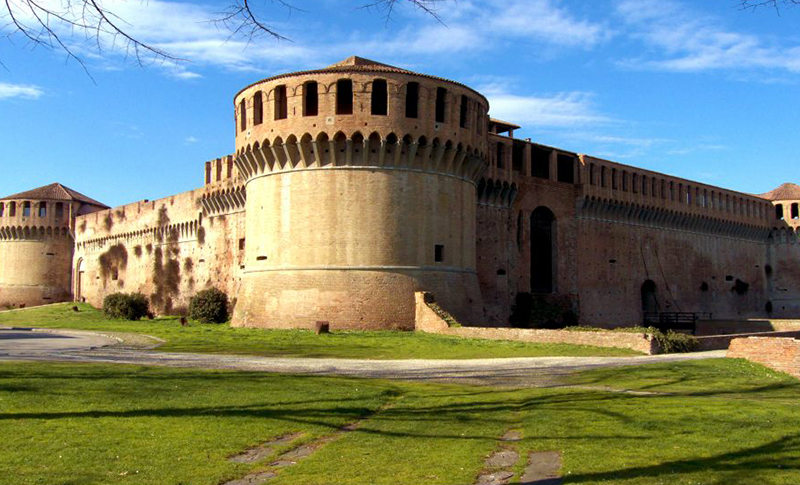
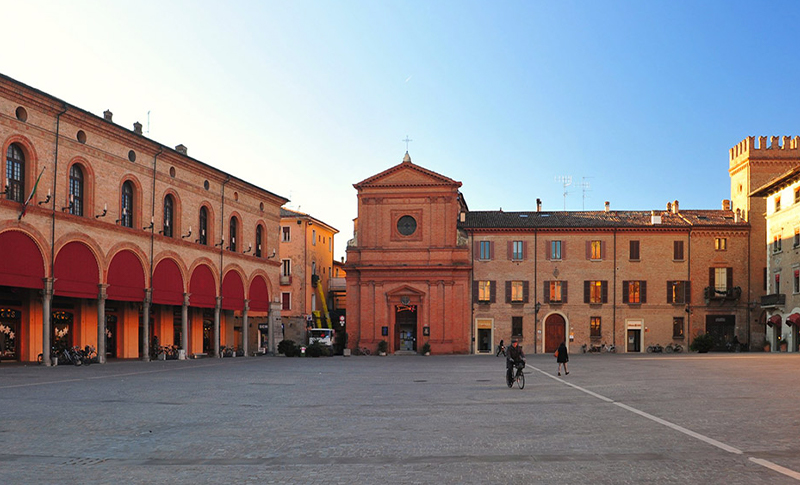
The elegant aristocratic palaces and the Rocca Sforzesca are just some of the jewels of the historic center, which can be visited entirely on foot, while the picturesque setting of the Apennines and the high-level sports facilities also make the city suitable for nature and sports lovers.
Imola’s excellencies

International Autodrome “Enzo and Dino Ferrari”

The very first work on a stable circuit, strongly desired by a group of local sports enthusiasts, dates back to 1950 and the first official race to 1953. In a short time the track became a staple of international motorcycling and, not many years later, of motor racing as well, until its greatest consecration with the arrival of Formula 1 single-seaters. Over the years, major international automobile and motorsport competitions such as MotoGP, World Superbike, the 200 Miglia, and Formula 1 have taken place, but not only; in fact, the facility, which is at the forefront in terms of flexibility and multi-functionality, also frequently hosts cycling events, including the Giro d’Italia and the World Road Cycling Championships, musical events such as the Heineken Jammin’ Festival, AC/DC and Guns N’ Roses concerts, and cultural events such as exhibitions, meetings, and conferences.

City of Oil

Imola has become part of the National Association of Oil Cities. The choice that prompted the Municipality of Imola to join is supported and based on four aspects: first of all, the presence in the municipal area of the Valsanterno Oil Mill, which collects a lot of consensus at national level, establishing itself with certificates of esteem and high-level awards; then the desire to commit himself to giving voice to the hills of Imola and the Santerno Valley, a land suited to olive growing; the presence in the municipal area of a growing number of small olive growers; finally the desire to enhance the municipal territory as a whole, thanks also to the enhancement of olive growing.