
Firenzuola
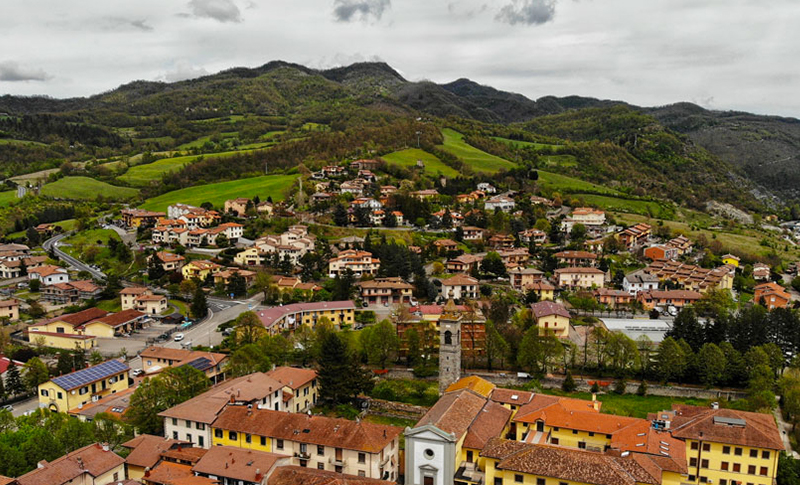
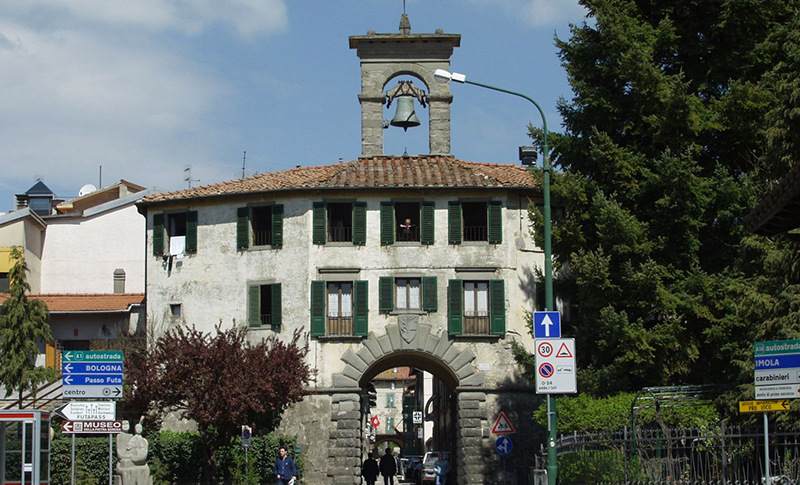
Firenzuola originated at the behest of Florence with the strategic function of a new communal land placed to protect the fundamental communication route that joined Florence to Bologna, in a territory until then in the hands of the powerful Ubaldini family, hostile to the Florentine Republic. Its regular structure appears exemplary of the late 13th-early 14th-century “terre nuove” of the Upper Valdarno, with crenellated walls and a mighty Rocca equipped with a tower (c. 1371). Another characteristic of this small late medieval ‘ideal city’ is the presence of the arcades that border all the main axes of the town.
During World War II Firenzuola was completely destroyed by Allied bombing on September 12, 1944. The reconstruction of Firenzuola began immediately after the war ended. The settlement had been 98% destroyed, to the extent that the Prefecture of Florence declared it “the most damaged village in the province due to war events.”
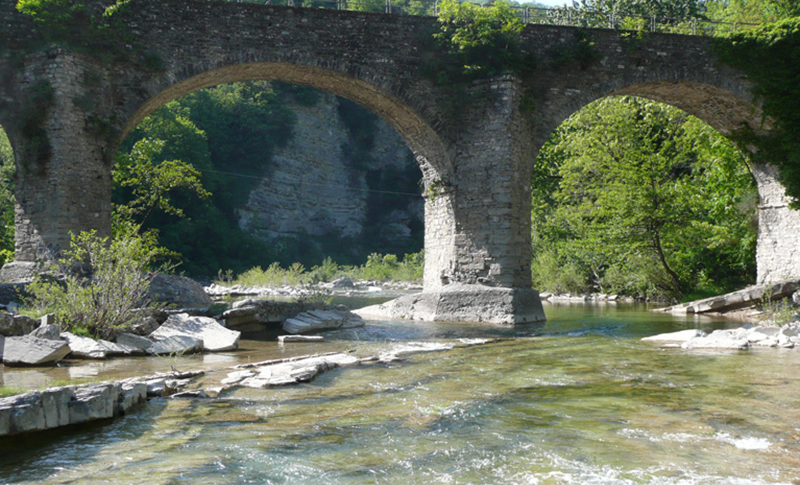
Today Firenzuola presents itself as a land with a vocation for environmental tourism, for its rugged and breathtaking landscapes, multiple excursion attractions (trekking, horseback riding, bicycle touring, canoeing), a river (the Santerno) suitable for bathing and pleasant solarium in the summer: a vast territory all to be discovered.
The excellences of Firenzuola

Serene Stone Museum
In the center of the town, the Pietra Serena Museum housed in the basement of the medieval fortress, collects evidence of the ancient stonemasonry tradition and the importance of the pietra serena quarried in the local quarries.

Culinary specialties
Firenzuola serves tasty typical mushroom and game recipes and a wide selection of organic products at the Monday market: meat, organic spelt, organic milk (we are on the Milk Route!) and the famous white potato, an ingredient in Mugello tortelli.


